sway back posture
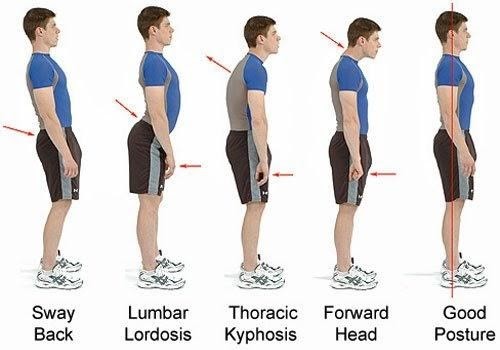
Sway back posture is a common postural issue characterized by a forward shift of the hips and pelvis, an exaggerated inward curve of the lower back (lordosis), and a rounded upper back (kyphosis). This creates the appearance of leaning backward while standing. It is often caused by muscle imbalances, such as weak abdominal and hip flexor muscles combined with tight hamstrings.
Symptoms
Symptoms of sway back posture can include:
- Persistent pain in the lower back, neck, and shoulders.
- Muscle cramps, stiffness, and fatigue.
- Reduced mobility and flexibility.
- Tingling or numbness in the legs, or other nerve-related pain.
- Altered appearance, including a protruding stomach and buttocks.
Causes
Sway back posture is frequently the result of muscle imbalances, but other factors can contribute:
- Weak muscles: This includes weak abdominal muscles (especially the lower abs), glutes, and hip flexors.
- Tight muscles: Tight hamstrings and upper abdominal muscles can contribute to the pelvic tilt.
- Lifestyle factors: Obesity, pregnancy, and prolonged sitting without breaks can all contribute.
- Underlying medical conditions: Certain hip problems, spinal abnormalities (like Scheuermann's kyphosis), or trauma can lead to sway back posture.
Correction and treatment
Addressing sway back posture typically involves a combination of strategies to correct muscle imbalances and improve body mechanics:
- Physical therapy: A physical therapist can provide a proper assessment and create a personalized plan to stretch tight muscles and strengthen weak ones.
- Exercises: Specific exercises can help. Some effective options include:
- Planks: Strengthens the core and glutes.
-
- Glute bridges: Works the glutes and core.
-
- Hip extensions: Strengthens the gluteal muscles.
-
- Dead bugs: Improves core stability.
- Lifestyle modifications:
- Weight management: Reducing excess weight, particularly around the abdomen, can lessen the load on the spine.
-
- Ergonomic adjustments: Improve your workstation setup by adjusting chair height, monitor position, and using a lumbar support.
-
- Regular movement: Take frequent breaks from sitting or standing to stretch and change positions.
- Chiropractic care: Chiropractors can perform spinal adjustments and soft tissue therapy to improve mobility and alignment.
- Massage: Techniques like deep tissue massage or myofascial release can help relieve muscle tension.
- In severe cases, or if there are structural issues, a doctor may recommend other treatments, such as pain medication, braces, or surgery.
Do you need more information about a specific treatment option, such as exercises or physical therapy?
