Lumbar Disc Herniation
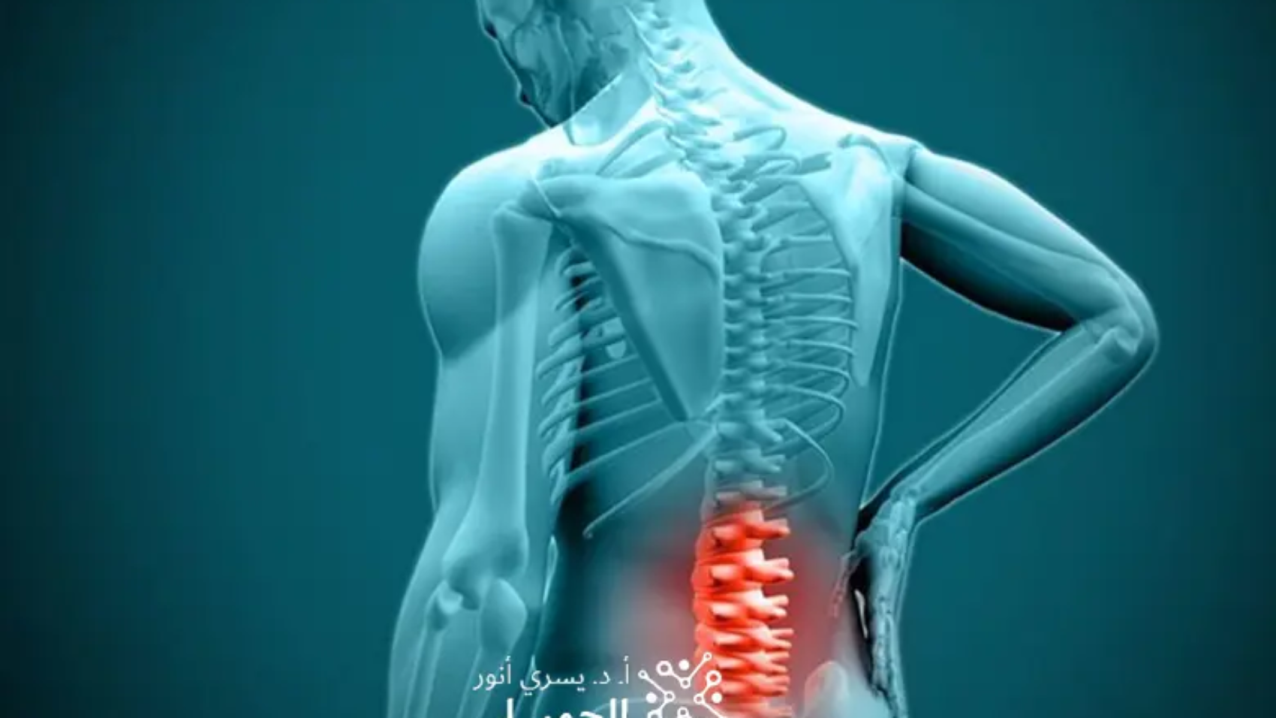
Lumbar Disc Herniation
(also known as a "slipped disc in the lower back") is a condition where the gel-like center of a disc between the vertebrae in the lower back protrudes or ruptures, pressing on nearby nerves. This often occurs in the lower levels of the spine and causes pain radiating into the buttocks and leg (sciatica).
Common Symptoms
Pain that radiates down the leg and foot (sciatica) is the most prominent symptom, in addition to:
- Lower back pain that worsens with sitting, coughing, or bending.
- Sharp or burning pain extending into the buttock, thigh, and leg along the path of the affected nerve.
- Numbness, tingling, or "pins and needles" sensations in the legs or feet.
- Muscle weakness and difficulty walking or standing for long periods.
- Loss of bladder or bowel control (a rare emergency condition requiring immediate medical intervention).
Causes
The main causes of lumbar disc herniation include:
- Age-related degeneration and loss of disc flexibility.
- Improper heavy lifting or excessive strain on the spine.
- Sudden movements like twisting or bending.
- Obesity and a sedentary lifestyle.
Treatment Options
Most cases improve with conservative treatment within a few weeks to months:
- Medication: Nonsteroidal anti-inflammatory drugs (NSAIDs), pain relievers, and muscle relaxants.
- Rest and Physical Therapy: A tailored exercise program to strengthen supporting back muscles, improve flexibility, and posture.
- Spinal Injections: Epidural steroid injections can effectively reduce inflammation and severe pain at the site of compression.
- Surgery: Recommended only for severe cases or when other treatments fail to relieve chronic pain or if there is ongoing neurological deficit.
Before starting any gym program, especially if you have existing spinal conditions (such as disc herniation, scoliosis, kyphosis, or lordosis), you must consult a doctor or physical therapist for a tailored and safe routine.
Safe and Suitable Exercises at the Gym
Focus on exercises using body weight, light weights, or machines that offer support:
- Low-Impact Cardio: Walking, stationary cycling, or the elliptical machine are excellent for fitness without stressing the joints [1.2.2، 1.2.4].
- Core Exercises:
- Plank: Strengthens deep abdominal and back muscles.
-
- Side Plank: Great for strengthening the lateral torso muscles.
-
- Bird-Dog: Helps improve balance and spinal stability [1.4.1، 1.5.7].
- Upper Back Strengthening (using machines or light weights):
- Seated Cable Rows or Dumbbell Rows: To strengthen muscles between the shoulder blades and promote correct posture [1.4.1، 1.4.10].
-
- Lat Pulldowns: Safely strengthens the large back muscles.
- Leg Exercises (conservatively):
- Partial Squats or Chair Squats: To maintain leg and glute strength without excessive back pressure.
Exercises to Avoid or Approach with Extreme Caution
- Heavy Lifting: Avoid traditional deadlifts, deep barbell squats, and heavy overhead presses, as they put significant pressure on spinal discs.
- Exercises Involving Violent Twisting or Rotation: Such as some heavy bent-over barbell rows or high-impact activities like running and jumping.
- Traditional Crunches/Sit-ups: Planks are a safer and more effective alternative for core strength.
